
How Long for Collagen Results: A Realistic Timeline
Table of Contents
- How Long for Collagen Results: What the Research Shows
- Understanding Collagen Synthesis and Skin Elasticity
- The 4-Week Mark: Early Signs Collagen Is Working
- Weeks 8-12: When to Expect Visible Changes in Skin Hydration
- Best Vegan Collagen for Radiant Skin: Why Plant-Based Works
- Factors That Influence How Quickly You See Results
- Beyond Skin: Collagen Results for Hair, Nails, and Joint Health
- Measuring Progress: How to Track Objective Improvements
- Frequently Asked Questions
Last Updated: October 2, 2026
How Long for Collagen Results: What the Research Shows
When you start taking a collagen supplement, you want results fast. But how long for collagen results actually depends on several factors, your age, lifestyle, consistency, and the form you choose.
The truth is simpler than most guides suggest: visible improvements typically appear between 8 to 12 weeks for most people. Early signs of collagen synthesis start as soon as week 4, but these are subtle. You might notice your skin feels more hydrated or your hair looks slightly stronger.
Our Radiance Gummies are designed to help your body produce its own collagen rather than relying on animal-derived supplements. This approach takes patience, but it supports your body's natural collagen synthesis process.

Below, we'll walk you through exactly what to expect at each stage, what factors speed up or slow down your results, and how to measure real progress.
Understanding Collagen Synthesis and Skin Elasticity
How your body produces collagen
Your skin contains a protein called collagen that gives it firmness and elasticity. Collagen lives in the dermal layer, the deeper part of your skin beneath the surface. As you age, your body produces less collagen naturally. By your 30s, collagen production drops roughly 1% each year.
When you take collagen supplements, you're not directly replacing lost collagen. Instead, you're providing your body with amino acids and peptides that signal your fibroblasts, the cells responsible for making collagen, to produce more.
Plant-based collagen support works differently than animal collagen. Rather than consuming collagen directly, vegan options provide the building blocks your body needs. These include amino acids like glycine, proline, and hydroxyproline, plus supporting nutrients that enhance collagen synthesis.
Why consistency matters
Collagen production is a slow process. Your body doesn't manufacture new collagen overnight. It takes time for fibroblasts to respond to signals, create new collagen fibres, and integrate them into your skin's structure.
This is why taking your supplement sporadically won't deliver results. You need daily consistency, ideally the same time each day, to maintain steady signals to your collagen-producing cells.
Most people who see results commit to at least 8 weeks of daily supplementation. Missing doses sets back your progress.
The 4-Week Mark: Early Signs Collagen Is Working
At the 4-week mark, your body is actively producing new collagen, but you likely won't see dramatic changes yet.
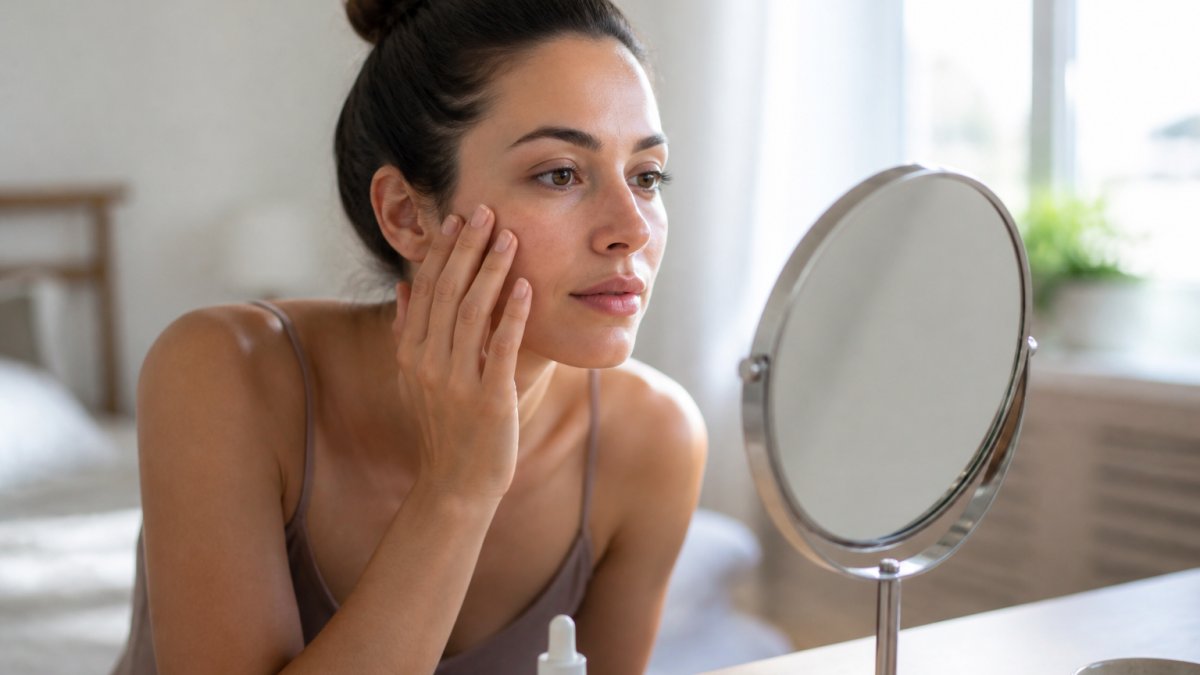
Your skin may feel softer or more hydrated. This happens because collagen supports skin's ability to retain water.
This is because collagen is a major component of connective tissue, and new collagen production affects more than just your skin.
The key at this stage is not to give up. Four weeks is too early to expect visible wrinkle reduction or major skin texture changes.
Weeks 8-12: When to Expect Visible Changes in Skin Hydration
By week 8, most people notice real differences. This is when how long for collagen results starts to feel concrete rather than theoretical.
Your skin should look noticeably more hydrated. Fine lines may appear softer. Your skin texture feels smoother to the touch.
Week 12 is often the sweet spot where changes become undeniable. People around you might comment that your skin looks fresher or more radiant.
At this point, you've also built a habit. Daily supplementation feels normal.
Best Vegan Collagen for Radiant Skin: Why Plant-Based Works
Topical vs. oral collagen efficacy
This is one of the most common questions: does topical collagen actually work, or should you take it orally?
Topical collagen sits on your skin's surface. It can't penetrate deeply enough to reach the dermal layer where collagen actually functions.
Oral collagen (or plant-based collagen support) works differently. When you swallow collagen peptides or amino acids, your digestive system breaks them down.
For real, lasting results in skin elasticity and wrinkle reduction, oral supplementation is significantly more effective than topical applications.
Plant-based options like Lumorawellness Radiance Gummies deliver the amino acid building blocks your body needs. They're gentler on digestion, and they support the same collagen synthesis process.
Synergistic ingredients that accelerate results
Collagen support works, but certain ingredients may enhance results when combined with collagen support.
Vitamin C boosts collagen synthesis. Your fibroblasts need vitamin C to stabilise and cross-link collagen fibres. Without adequate vitamin C, your body produces collagen less efficiently.
Hyaluronic acid works synergistically with collagen. While collagen provides structural support, hyaluronic acid helps skin retain moisture.
Silica strengthens collagen fibres. It helps your body cross-link collagen molecules, making new collagen more stable and longer-lasting. (Source: visible improvements typically appear between 8 to 12 weeks for most people)
Biotin supports hair and nail health specifically.
A well-designed formula with synergistic ingredients may deliver more noticeable results than collagen support alone.
Factors That Influence How Quickly You See Results
Age-based variance in collagen response
Age dramatically affects how quickly your body responds to collagen supplementation.
In your 30s and early 40s, your body still produces collagen relatively efficiently. Supplementation gives your fibroblasts a boost, and you might see results in 6-8 weeks.
By your 50s and beyond, your baseline collagen production is lower. Your body takes longer to respond to signals.
The good news: older adults often see more dramatic improvements because they're starting from a lower baseline.
Lifestyle inhibitors slowing your progress
Several lifestyle factors slow down collagen synthesis and skin rejuvenation:
Sun exposure damages existing collagen and slows new collagen production. UV rays break down collagen fibres and trigger inflammation that interferes with fibroblast function. If you're not using sun protection, supplementation works against an uphill battle.
Poor sleep reduces collagen synthesis. Your body produces growth hormone during deep sleep, which signals fibroblasts to create new collagen.
Smoking is one of the worst collagen inhibitors.
High sugar intake damages collagen through a process called glycation. Excess sugar binds to collagen fibres, making them stiff and less functional.
Stress and cortisol suppress collagen production. Chronic stress keeps your cortisol levels elevated, which inhibits fibroblast activity and increases inflammation.
If you're supplementing but not seeing results, check these lifestyle factors first.
Beyond Skin: Collagen Results for Hair, Nails, and Joint Health
Collagen isn't just for skin. Your hair, nails, and connective tissue all depend on collagen.
Hair benefits typically appear around week 6-8. Your hair feels stronger and shinier.
Nails respond quickly, often by week 4-6. Nails become less brittle and break less easily.
Joint and tendon health improves more gradually. If you're taking collagen for joint stiffness or tendonitis, expect 8-12 weeks for noticeable improvement.
This is because the same collagen synthesis process supports connective tissues simultaneously.
Measuring Progress: How to Track Objective Improvements
Track skin hydration. Use a simple moisture metre (available cheaply online) to measure skin hydration levels.
Assess skin texture. Run your fingertips across your skin in the same area each week.
Measure hair thickness. Collect a small sample of shed hair each week.
Track joint flexibility. If taking collagen for joints, note your range of motion or any stiffness.
| Measurement | Week 4 | Week 8 | Week 12 |
|---|---|---|---|
| Skin hydration | Slight increase | Noticeable improvement | Significant hydration |
| Fine lines | Minimal change | Softer appearance | Visible reduction |
| Hair strength | Subtle | Noticeably stronger | Visibly thicker |
| Nail brittleness | Reduced | Significantly improved | Strong nails |
| Minimal change | Noticeable improvement |
The reality of how long for collagen results is that patience pays off.
Lumorawellness Radiance Gummies are formulated specifically to support your body's natural collagen production. With 100% plant-based, lab-tested ingredients made in the UK, they're designed for people who want visible, long-term results rather than quick fixes. Take 2 gummies daily, stay consistent, and by week 12 you'll have measurable improvements in skin, hair, and nail health. Shop Radiance Gummies now and start your collagen journey today.
Frequently Asked Questions
What are the first signs that collagen supplements are working?
Within 2-4 weeks, many users report improved skin hydration and a subtle brightening of complexion. Fine lines may appear less pronounced due to better moisture retention in the dermal layer. Hair texture often feels softer, and nails may show slightly less brittleness. These early signs reflect increased cellular turnover and improved hydration rather than dramatic structural changes. Consistency is key, most noticeable improvements appear between weeks 4 and 12.
How long should I take collagen for skin elasticity to see real results?
Clinical studies suggest 8-12 weeks is the minimum commitment to observe measurable improvements in skin elasticity and fine line reduction. Your body's fibroblasts need time to synthesise new collagen fibres and integrate them into the dermal layer. Results vary by age, lifestyle, and baseline skin condition. Those over 40 may see slower initial progress due to naturally declining collagen production rates. Most users report optimal results after 12 weeks of consistent daily dosage.
Why is plant-based collagen considered the best vegan collagen for radiant skin?
Plant-based collagen support works by providing amino acids and peptides that stimulate your body to produce its own collagen rather than replacing it directly. This approach supports long-term collagen synthesis. Vegan formulas often include synergistic ingredients like vitamin C and silica that enhance fibroblast activity. Unlike animal-derived options, plant-based supplements avoid ethical concerns and are gentle on digestion, making them ideal for those seeking sustainable beauty-from-within routines.
Can collagen supplements reverse sagging skin or is that marketing speak?
Collagen supplements can improve skin texture, hydration, and fine lines through increased collagen density and cellular turnover. However, they cannot reverse significant sagging caused by lost structural support or gravity over decades. Results are most effective for preventative skincare and addressing early signs of ageing. For moderate to severe sagging, dermatological treatments like microneedling or professional procedures offer more dramatic outcomes. Collagen supplements work best as part of a comprehensive long-term skincare strategy rather than a standalone solution.