
Clean Label Beauty Supplements: A 2026 Guide
Table of Contents
- What Are Clean Label Beauty Supplements?
- Clean Beauty Supplement Ingredients to Avoid
- How to Read Supplement Labels UK
- Benefits of Plant-Based Collagen Support
- Key Ingredients in High-Quality Clean Label Formulas
- Clean Label vs. Conventional: What You're Really Paying For
- Allergen-Specific Considerations for Clean Beauty Supplements
- Environmental Impact of Clean Label Sourcing
- Frequently Asked Questions
Last Updated: October 2, 2026
What Are Clean Label Beauty Supplements?
Clean label beauty supplements are formulations designed to support hair, skin, and nail health using minimalist ingredient lists free from synthetic additives, artificial colours, and unnecessary fillers. They prioritize ingredient transparency and traceability, so you can identify every component and understand why it's there.
The clean label movement has shifted how consumers evaluate beauty supplements. Health-conscious adults now demand to know the source of each ingredient, whether it's been tested for contaminants, and whether the formulation supports bioavailability, a genuine shift toward products that deliver nutritional integrity.
Lumorawellness Radiance Gummies combine plant-based ingredients with rigorous third-party certification and testing, no artificial flavours or hidden fillers. The result supports skin hydration, stronger hair, and healthier nails through a formulation you can trust.

Clean Beauty Supplement Ingredients to Avoid
Some supplement ingredients serve no nutritional purpose, they're there purely to make manufacturing easier or cheaper. Learning what to avoid is as important as knowing what to look for.
Synthetic additives and artificial colours like Tartrazine (Yellow 5) and Allura Red (Red 40) exist solely for visual appeal and add nothing to efficacy. Synthetic preservatives like BHA and BHT extend shelf life at the expense of purity. Natural alternatives like mixed tocopherols (vitamin E) preserve formulations without chemical residue.
Excessive fillers and binders like microcrystalline cellulose and maltodextrin inflate tablet weight without benefit. A clean label formula minimizes these to what's functionally necessary.
Plasticizers and coating agents warrant attention. Some tablet coatings contain phthalates that can leach into the supplement. Clean formulations use food-grade coatings or avoid them entirely.
Hidden allergens hide in seemingly innocuous ingredients. Magnesium stearate, derived from animal sources in many supplements, isn't vegan. Gelatin capsules exclude vegetarian consumers. Shellfish-derived glucosamine appears in joint formulas without clear labelling. A transparent label lists every potential allergen upfront.
Dissolution rate matters: if a tablet doesn't break down properly, nutrients never reach your bloodstream. Clean formulations dissolve within 30 minutes, ensuring bioavailability.
How to Read Supplement Labels UK
Reading a supplement label requires skill. The real information is on the back, in the fine print.
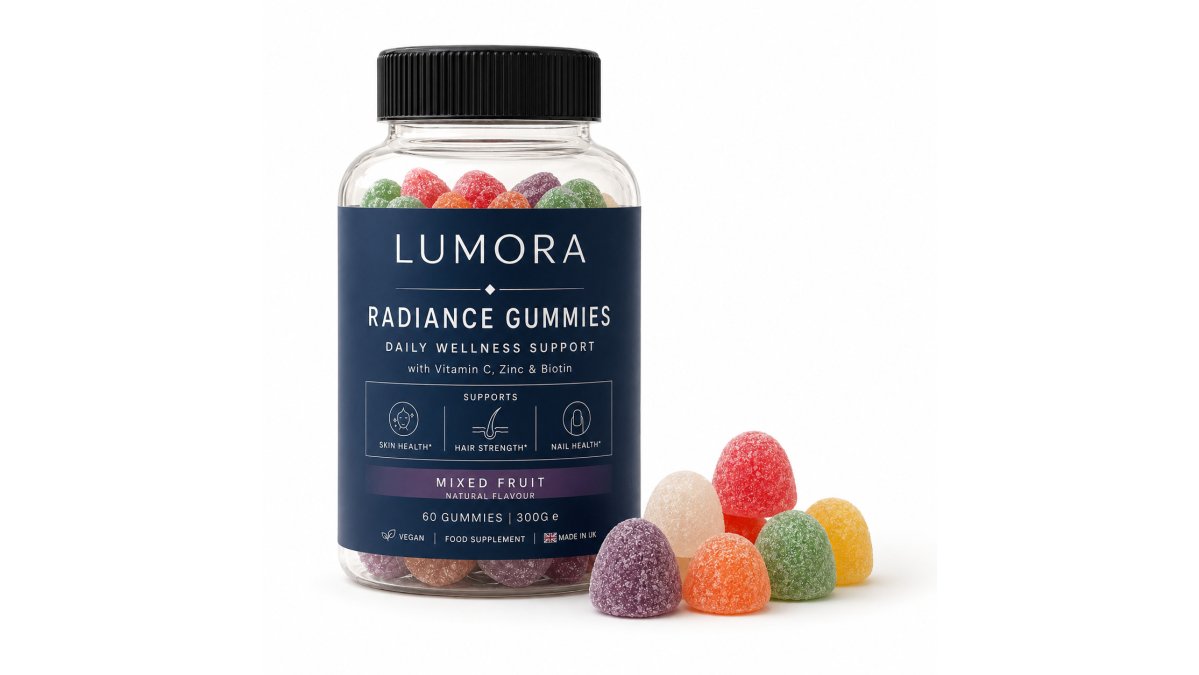
Start with the ingredient list. In the UK, ingredients are listed by weight in descending order. If an active ingredient appears as the fifth component, there's very little of it. Look for active ingredients in the first three positions.
Dosage and serving size matter: some formulas require 4 capsules daily, others require 1. Gummies simplify this, Radiance Gummies deliver a precise dose in just 2 gummies daily.
Allergen declarations are legally required but easy to miss. Look for the bold "Contains" statement at the bottom of the label. Common allergens in beauty supplements include soy, tree nuts, and shellfish derivatives. If you have a sensitive stomach or known intolerances, this section is non-negotiable.
The nutrition information panel should show exact milligram quantities for every active ingredient, not vague percentages or "proprietary blends."
Third-Party Certification and Testing
Third-party certification is the gold standard for supplement verification. Independent laboratories check whether products contain what the label claims, are free from contaminants, and meet dissolution standards.
Look for certifications from NSF International or USP, which test for heavy metals, microbial contamination, and label accuracy. In the UK, the MHRA oversees supplement safety. Manufacturers who invest in third-party testing signal genuine commitment to product integrity.
Heavy metal testing is particularly important. Supplements derived from plants can accumulate lead, cadmium, and arsenic from soil. A certified product has been tested for these contaminants and verified safe for consumption. This testing protects you from invisible risks that no amount of label reading can catch.
Ingredient Transparency and Traceability
True ingredient transparency means knowing what's in the supplement, where it came from, and how it was processed. Clean label formulas provide this information on the label or through accessible documentation.
Ask manufacturers direct questions: Where is this ingredient sourced? Has it been tested for pesticide residues? What processing methods were used? Brands confident in their supply chain will answer. Those that deflect or provide generic responses are hiding something.
Traceability systems allow you to follow an ingredient from farm to finished product. Some premium brands now include batch numbers and testing certificates online, letting consumers verify exactly what they purchased. This level of transparency is becoming standard in clean label formulations.
Benefits of Plant-Based Collagen Support
Plant-based collagen support works differently than animal collagen. Your body breaks collagen into amino acids and uses them to synthesise its own collagen. Plant-based formulas provide the amino acids and cofactors your body needs to activate this process naturally.
Plant-based support triggers your body's own collagen production, which is more sustainable and cost-effective long-term. Studies show amino acid supplementation improves skin elasticity and hydration when combined with vitamin C and cofactors, precisely what clean label formulas include.
Plant-based collagen support is also gentler on digestion. Many people report bloating or digestive discomfort from animal collagen supplements, particularly hydrolysed collagen powders. Plant-based gummies like Radiance avoid this entirely. They're formulated to be easy on sensitive stomachs whilst delivering the same amino acid profile your body needs.
The timeline for results typically spans 8-12 weeks. Your body needs time to upregulate collagen synthesis and see visible improvements in skin radiance, hair strength, and nail resilience. This isn't marketing speak, it's the biological reality of how your body rebuilds structural proteins. Patience is required, but the results compound over time.
Key Ingredients in High-Quality Clean Label Formulas
Not all beauty supplement ingredients are equally effective. The best formulas combine several categories of active compounds, each addressing a different mechanism of beauty from within.
Amino acids form the foundation. Proline, glycine, and lysine are the primary amino acids in collagen. Plant-based sources like pea protein and hemp provide these in bioavailable forms. Your body uses these directly to synthesise new collagen and elastin fibres.
Vitamin C (ascorbic acid) is non-negotiable. Collagen synthesis requires vitamin C as a cofactor. Without adequate C, your body cannot cross-link collagen molecules, leaving them weak and unstable. A quality formula includes at least 30mg of stabilised vitamin C per serving.
Silica and biotin strengthen hair and nails from within.
| Ingredient | Primary Function | Typical Dose | Source |
|---|---|---|---|
| Plant amino acids | Collagen synthesis | 2-5g daily | Pea, hemp, rice protein |
| Vitamin C | Collagen cross-linking | 30-100mg daily | Ascorbic acid or kakadu plum |
| Biotin | Keratin production | 2.5-5mg daily | Synthetic or yeast-derived |
| Silica | Connective tissue support | 10-25mg daily | Bamboo extract or horsetail |
| Hyaluronic acid | Skin hydration | 50-100mg daily | Fermented sources |
Clean Label vs. Conventional: What You're Really Paying For
The price difference between clean label and conventional supplements often raises questions. Why does a bottle of clean gummies cost more than a mass-produced powder? The answer lies in what you're actually purchasing.
Allergen-Specific Considerations for Clean Beauty Supplements
Allergen sensitivity is a legitimate concern that deserves explicit attention. Clean label supplements are inherently more transparent about allergens, but you still need to read carefully.
Environmental Impact of Clean Label Sourcing
The environmental footprint of your supplement matters, particularly if you're taking it daily for months or years. Clean label sourcing prioritises sustainable practices, but the details vary significantly.
Frequently Asked Questions
What does 'clean label' actually mean for beauty supplements?
Clean label beauty supplements contain minimal, recognisable ingredients without synthetic additives, artificial colours, unnecessary fillers, or chemical contaminants. They prioritise transparency, ingredient traceability, and third-party testing. A clean label product lists exactly what's inside and why it's there, no hidden excipients or binders that don't serve a purpose. This approach supports both product purity and consumer health advocacy.
How can I verify the quality of beauty supplements in the UK?
Look for third-party certification from independent testing bodies, lab reports showing heavy metal and pesticide residue testing, and transparent ingredient sourcing information. Check the product label for clear dosage consistency, allergen declarations, and manufacturing standards. Reputable brands like Radiance Gummies provide lab-tested formulations and list every ingredient with its purpose. Always verify that the supplement contains no undisclosed additives.
What ingredients should I avoid in beauty supplements?
Avoid synthetic additives like artificial colours (tartrazine, sunset yellow), unnecessary binders and fillers, plasticizers, and chemical excipients that don't contribute to efficacy. Watch for high sugar content in gummies, which can harm skin health. Steer clear of products without ingredient transparency or those listing 'proprietary blends' that hide exact amounts. Also avoid supplements with undeclared allergens or those sourced without pesticide and heavy metal testing.
Are plant-based collagen boosters considered clean label?
Yes, when formulated correctly. Plant-based collagen support supplements can be clean label if they contain minimalist, recognisable plant ingredients without synthetic additives or unnecessary fillers. They work by providing amino acids and co-factors that help your body produce its own collagen, rather than adding collagen directly. Look for plant-based formulas with third-party certification, transparent sourcing, and lab testing for purity, these ensure bioavailability and actual nutritional integrity.
How do clean label supplements support hair, skin, and nail health?
Clean label beauty supplements deliver bioavailable nutrients, amino acids, vitamins, and minerals, that your body uses to build collagen, keratin, and other structural proteins. Without synthetic binders or fillers reducing absorption, your digestive system can process these ingredients efficiently. Consistent use over 8-12 weeks allows these nutrients to accumulate in hair follicles, skin cells, and nail beds, supporting stronger, healthier growth from within.
Why are clean label beauty supplements more expensive?
Clean label supplements cost more because they require higher-quality sourcing, third-party testing for heavy metals and pesticide residues, and transparent manufacturing. Single-ingredient sourcing and traceability add expense. Lab testing, certification, and compliance with strict regulatory standards all increase production costs. You're also paying for bioavailability, clean formulations without unnecessary fillers mean your body absorbs more of the active ingredients, delivering real results rather than filler bulk.
What does 'lab-tested' actually prove about a beauty supplement?
Lab testing verifies that a supplement contains the ingredients listed at the stated potency, is free from heavy metal contamination, pesticide residues, and harmful microorganisms, and meets dissolution and bioavailability standards. Independent testing confirms label accuracy and product safety. When a brand like Radiance Gummies undergoes lab testing, it proves the formula delivers what's promised and poses no risk from chemical contaminants or undeclared additives.